Piz Cengalo and Bondo
Three million m³ of rock fell on a small glacier, took its ice with it and turned into a debris flow that reached the village of Bondo.
Date2017-08-23
Rock≈ 3 million m³
Ice taken along≈ 600,000 m³
Runout6.5 km
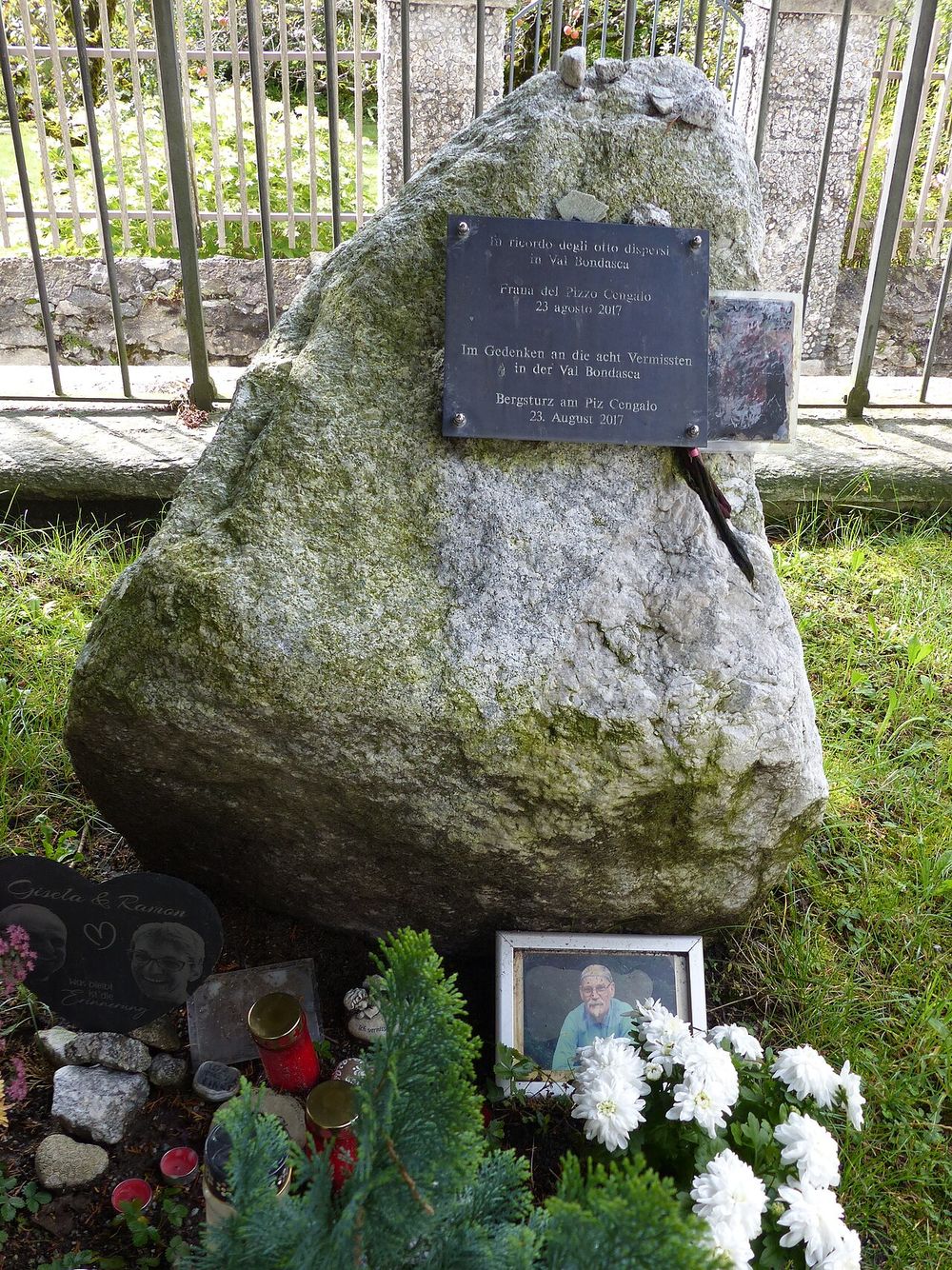
Deaths8
On 23 August 2017, about 3 million m³ of granite broke from the northeast face of Piz Cengalo. The rock avalanche crossed the small Cengalo Glacier and took around 600,000 m³ of ice with it.
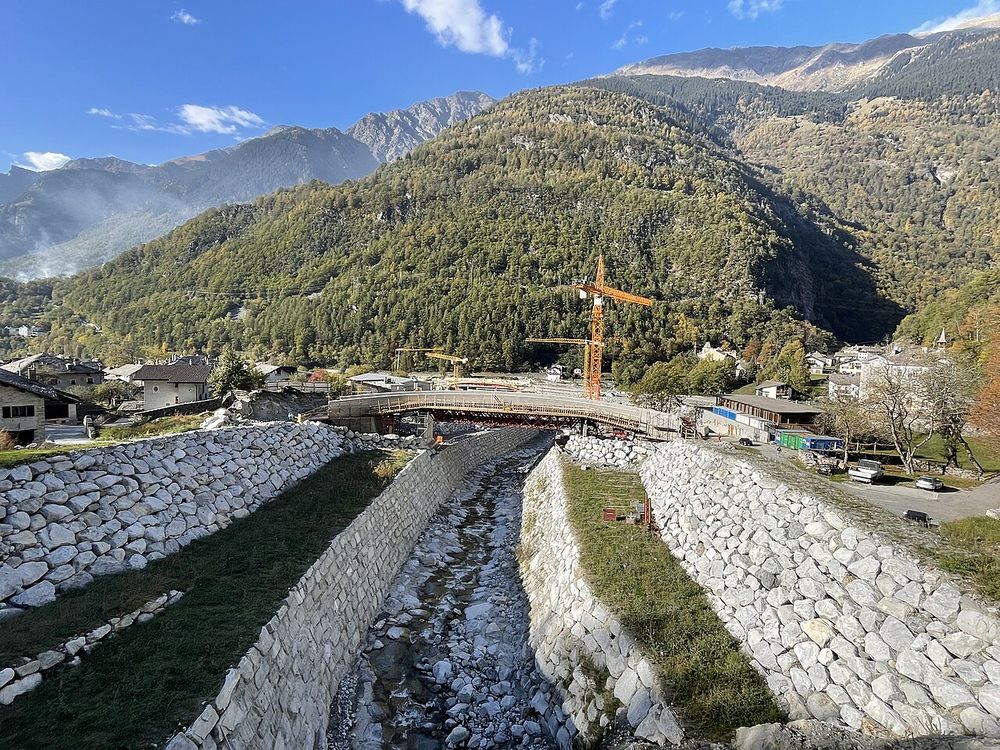
The ice and water turned the rock avalanche into a debris flow that ran 6.5 km down the Bondasca valley and reached the village of Bondo within minutes. More debris flows followed over the next days.
Eight hikers in the upper valley were killed. Bondo was severely damaged but its residents had been warned and evacuated. Thawing permafrost in steep rock faces is a growing hazard as the Alps warm.


Sources
Sources
- Mergili et al. (2020). Back calculation of the 2017 Piz Cengalo–Bondo landslide cascade with r.avaflow. NHESS 20. nhess.copernicus.org/articles/20/505/2020/
- Huss, Linsbauer & Naegeli (2025). Swiss Glaciers. State, projections and significance. Swiss Academies Factsheets 20(2). doi.org/10.5281/zenodo.14866776